

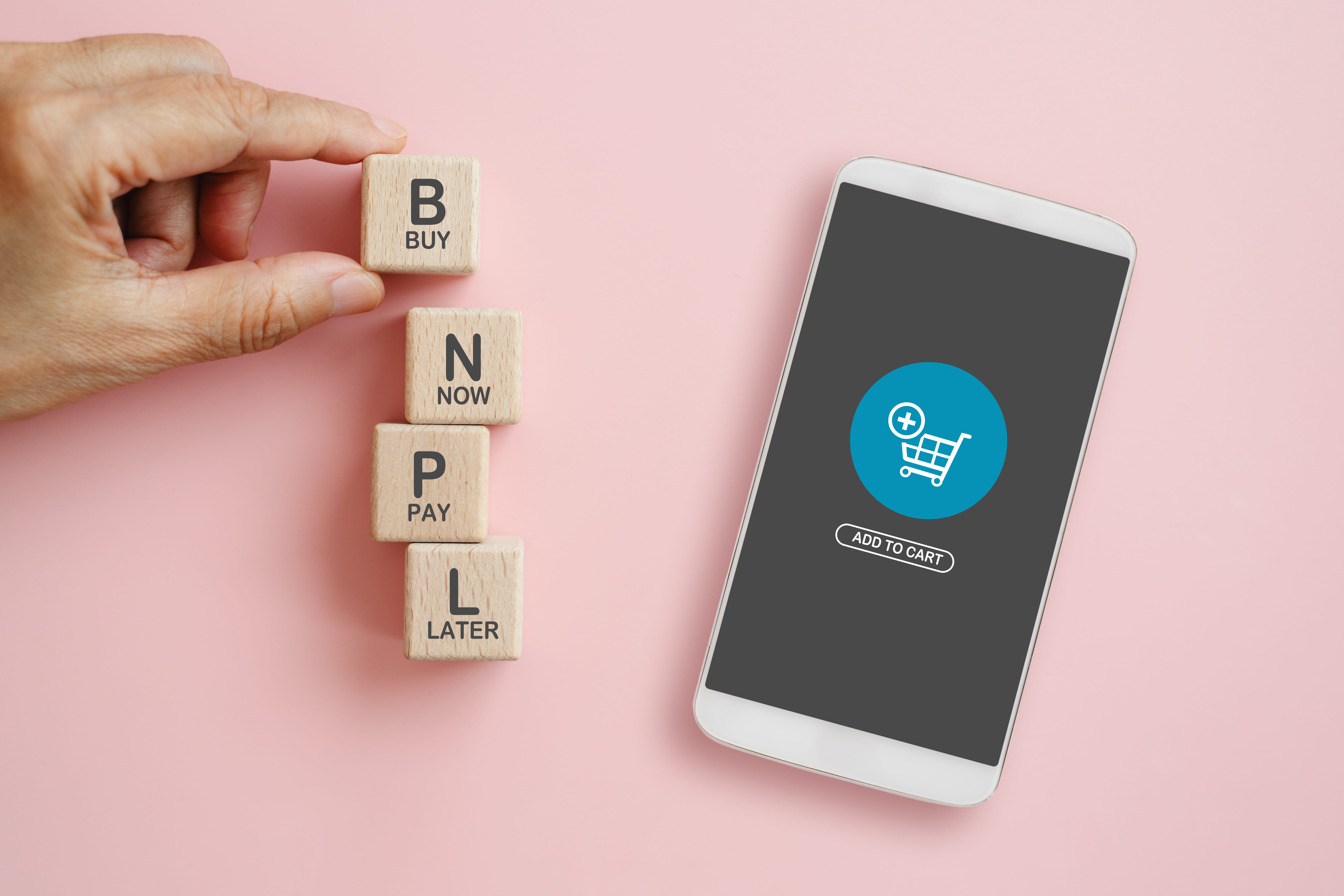
There’s a quiet takeover happening and it’s sweeping through the online shopping carts and checkout pages on every website, the same way crack cocaine swept through the inner cities in the 80’s. “Buy Now, Pay Later” (BNPL) has exploded from a niche payment option into the default button for a generation raised on one-click convenience and same-day delivery. Tap it, and suddenly that $600 item can be yours today for just $150. It feels harmless and manageable.
That’s exactly the problem.
Let’s be clear, BNPL is not inherently bad nor is it the villain in your financial story. A tool can build or destroy depending on who is using it. The problem is not the product. The problem is the behavior of the user.
Used correctly, BNPL is one of the oldest money-saving tactics in the book, repackaged in modern UX and pastel-colored apps with names that sound more like skincare brands than lenders.
What Actually is BNPL?
At its core, BNPL products are short-term loans; it is debt. The lender allows the borrower to split a purchase into smaller installment payments, often interest-free, over a short period (typically four payments over 6–8 weeks). However, if you miss a payment, interest kicks in.
Let’s keep it real: “four easy payments” is debt with better branding. That branding is the difference between “I’m taking on debt” and “I’m just splitting it up” when you’re looking at your online shopping cart. Psychologically, those are worlds apart. Financially, they are identical.
The process is frictionless. No underwriting. Instant approval. You go from “just browsing” to “it’s already shipped” in under three minutes like any other payment form. And today you can pay for almost anything using BNPL, from a fridge, a DoorDash order, to even paying rent. (something about that should give us all pause…but I digress.)
Who Provides These Loans?
The biggest players in this industry are generally newbies to the financial services, they are:
Affirm
Klarna
Afterpay
PayPal Pay Later
These creative fintech companies have embedded their products so seamlessly into e-commerce, you barely notice you’re borrowing money to buy a burrito. Strip away the branding and it is the same concept that has existed for decades. Interest-free financing. Promotional 0% interest rate debt. The same tactics used in auto loans and credit cards, are now living inside your online shopping cart.
Here’s the Quiet Part Out Loud
Wealthy individuals use interest-free or low-cost—financing. All. The. Time. Not because they need to, but because it’s financially savvy and preserves their cash. (cash is king, if you didn’t know) If money is offered to you at 0% interest, the smart move isn’t to reject it. The smart move it’s to use it, strategically.
Let’s say you’re buying a $2,000 laptop. You could pay for it upfront. Or you could:
Use a BNPL loan
Invest the $2,000 in a high yield account or a short-term investment
Pay off the purchase in installments while your cash earns interest and dividends
Same purchase. Different outcome. One drains your liquidity. The other preserves it and potentially earns you more money.
But let’s not pretend this is how most people use BNPL. For many, BNPL becomes a lifestyle not a savvy financial strategy. It is abused and used as a way to say yes faster and think later. It hides the reality of taking on debt behind smaller numbers.
How to Let “Interest-Free” Keep Your Money Free
Like all consumer debt, if you’re going to use BNPL, use it with discipline. Otherwise, don’t use it at all. Here’s a framework and some practical tips that converts BNPL from a liability to a powerful financial product “in” your wallet.
1. Set a Minimum Threshold
Don’t use BNPL for small, impulsive purchases. A simple rule: only use it for purchases over $1,000. Why? Because below that level, the upside is negligible and the temptation to overspend skyrockets
2. Limit The Frequency of Usage
Do not abuse it or make it habitual. Make BNPL the exception, not the rule. Cap your use of BNPL loans to twice a year.
This forces intentionality in your spending. You’ll think harder about when it actually makes sense versus when it’s just convenient.
3. Have the Cash for Every Purchase
This is the most important rule and the one poor people and Gen Z don’t follow. Before you click “Pay in 4,” you should already have the full amount in cash. No exceptions.
Then take it a step further - put that money in a high-yield savings account and automate the installment payments. Now you are not “financing the purchase”, you are “optimizing your liquidity.” (Bonus points for talking like you’re wealthy)
4. Treat Every Purchase Like a Cash Purchase
Simply put, if you wouldn’t buy it today with all cash, don’t finance it over six to eight weeks. BNPL should never be the reason you make purchase. It should only change how you make a purchase.
The Bigger Picture
BNPL isn’t going away. If anything, it’s becoming more embedded into how we transact. If you choose to use these loans, the question is whether if you’ll use it or it’ll use you. Used correctly, BNPL is a great financial product that maintains your liquidity and enhances flexibility. Used incorrectly, BNPL is just another way to spend money you don’t have on things you can’t afford.
Use BNPL and other interest free loans the way the wealthy do: not to keep up, but to stay up.
(In a future post, I’ll go into detail about the systemic risk BNPL debt poses. Stay tuned. 😉)
About the Author: Femi F. is the Founder of Hustle & Finance and a personal finance expert. He is a disciplined student of markets, money habits, and long-term wealth creation. Femi combines institutional-level market expertise with a culturally relevant, real-world approach to wealth building. His principals are based on living your best life today, while managing your money responsibly for tomorrow.
Disclaimer: This article is intended for educational and informational purposes only and should not be construed as financial, investment, legal, or tax advice. The views expressed are solely the author’s opinions and are not recommendations to buy, sell, borrow, invest, or take any specific financial action. Financial decisions should be made based on your individual circumstances, risk tolerance, and consultation with a qualified professional. Readers are solely responsible for any actions or decisions they take based on this content. Neither the author nor the platform assumes any liability for losses, damages, or outcomes resulting from the use or application of any information, opinions, or strategies discussed. Use of Buy Now, Pay Later products and other forms of consumer debt carries financial risk, including fees, interest charges, and potential impacts to your credit profile.
"...use BNPL like the wealthy...not to keep up, but to stay up!" -- that part! 💯
For a $1000 purchase on a typical pay in 4 BNPL loan, even if you put the cash straight into a high-yield savings account with 4% APY, you'd earn only $2.31 in interest. That arbitrage to me isn't anywhere close to worth it.